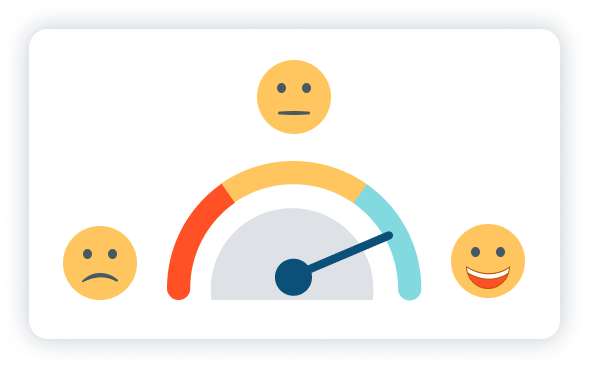
We are all familiar with traditional credit scores and how they are determined. Been there. Done that.
Today, alternative lending is pushing the boundaries of credit scoring, as the industry shifts towards the inclusion of social media posts and online behavior to predict creditworthiness.
The developing concept of social credit scoring is now a hot topic. Gathering information on people’s behavior to make better-educated decisions could be useful, but it certainly has its challenges and is not without controversy. In this article, we’ll discuss what social credit scoring is, including the benefits it may have for alternative lenders as well as potential pitfalls.
Credit Scoring: A Brief History
Credit scoring isn’t a modern concept. Its earliest iteration can be traced back to the 1800s when small merchant associations collected simple borrower information and then sold it to banks and other lenders.
The first two agencies to pioneer the method are now household names: R.G. Dun & Co and the Bradstreet Company. They developed scores to predict the risk factor of commercial credit applicants, but the methods were highly subjective and would now be scrutinized for their discriminatory tendencies.
In 1989, credit scoring was formalized for consumers with FICO credit scores, and financing became available for the masses, driving growth and the possibility of financial security.
While the overall credit scoring system became standardized, the system has its limitations. Traditional data collection utilized in credit scoring can reinforce racial bias, industry bias, and cannot account for a lack of credit history. This means applicants with no credit history, particularly commercial applicants, are ineligible for loans or have more strict terms for the financing they can acquire.
As an alternative to traditional data collection, social credit scoring could change all that.
What Is Social Credit Scoring?
The credit ranking industry is beginning to go beyond financial information and include behavioral and social data in models. Aggregating data from all aspects of life can help to appropriately determine a borrower’s creditworthiness, as well as the risk they present.
Social credit scoring may sound like a new concept, but you have likely been utilizing a similar practice yourself. The internet has given us a way to insulate ourselves from risk, by helping us to verify information and check for supporting evidence:
Meeting someone for a first date? You’ll look them up online to see whether your interests align.
New hire? You’ll go through social media to see whether they’ve been honest with their application.
Buying from a new store? You’ll check online reviews to see whether they’re a legitimate business.
Simply put, social credit scoring is an additional tool that could be used to glean useful data about borrower preferences, tendencies, and behavior patterns.
Why Is Social Credit Scoring Controversial?
Like many matters in the digital age, user consent plays a significant role in the social credit scoring system. When consumers or companies apply for credit, they’re inherently consenting to a credit check— i.e., granting access to financially relevant information.
Expanding the system to examine much more personal areas of life—social media, shopping behavior, etc.—invites an added layer of risk and vulnerability. This must be addressed by answering questions like:
What alternative data is relevant to someone’s ability to pay?
How transparent should the process be?
Who makes the ultimate decisions on what behavior is acceptable and what is risky?
What regulations are required to manage the information appropriately and protect it?
Skeptics argue that such a system can lead to unauthorized surveillance and totalitarianism, as evidenced by the negative Western reaction to the social credit scoring system implemented in the People’s Republic of China.
No doubt, any form of alternative data utilized to determine creditworthiness needs to be appropriately regulated, in order to avoid abuse. But the potential for misuse should not automatically disregard a tool that could level the playing field for financing access.
Potential Benefits of Social Credit Scoring inSME Lending
Social credit scoring could be an additional source of information to fill in gaps and gain a complete picture of someone’s financial behavior. The US government has already recognized the value alternative data has. SME lenders themselves stand to reap the following benefits.
1. Cost and Time Efficiency
Checking and analyzing creditworthiness is the most time-consuming step of the lending process.
By its nature, social media already takes place within a digital framework, which means data collection could be as simple as an automated API integration. This speeds up the initial process of gathering data, potentially yielding lower costs for all parties involved.
2. Financial Inclusion
Small businesses have a difficult time gaining funding from traditional lenders.
In fact, a study shows that 33% of small businesses that applied for credit last year were denied, because of insufficient credit history. These businesses aren’t necessarily unworthy of credit; they simply don’t have enough data to be analyzed, under the current metrics valued by the standard credit system.
By incorporating online social parameters into scoring, this currently underserved segment could turn into a powerful market for SME lenders.
3. Tighter Risk Management
Just as you might go through online social profiles before you hire an employee or a contractor, analyzing social media in terms of credit helps protect SME lenders from fraud and potential bad actors. It’s one more tool in the arsenal to find red flags before they’re an issue.
SME lenders could also potentially benefit from the development of advanced algorithms (driven by social credit scoring data points) to assess risk among merchants and build a model to better identify risk trends. Time will tell how social credit scoring develops in this respect, but it is worth keeping tabs on.
4. Better Client Experience
In previous articles, we’ve established that a great client experience is directly tied to your revenue as an SME lender. Social credit scoring can deliver an extra edge, by giving lenders additional insight into customer preferences and behavioral tendencies.
Potential Challenges of Social Credit Scoring in SME Lending
The way credit is scored and delivered is continually evolving. As SME lending businesses begin to include more and more alternative forms of data in their analyses, they must also consider potential problems that come with them.
1. Morally Questionable
Is social credit scoring ethical?
Critics argue that social credit scoring may punish those who refuse to adhere to a universal (government-mandated) standard of conformity. However, any questionable moral outcomes depend on what information is collected, how it is collected, and how it is utilized, rather than inherently labeling the entire system as either good or bad.
It is worth highlighting that the data collected via social credit scoring is publicly available.
This means that not only is data collection a light lift for SMEs, but it doesn’t have to leave you questioning the morality of your actions. This isn’t to say that nefarious actors don’t exist—they certainly do and certainly always will. However, an integrity-driven approach to social credit scoring is simply a matter of extracting public data and putting it to good use.
2. Potential for Data Distortion
Ultimately, people can attempt to work the system by presenting the most favorable view of themselves—social media allows to build practically any persona. This creates incentives for people to surround themselves digitally with model borrowers to produce a more desirable profile.
Likewise, social data could tip the scale the other way: a borrower’s social score could potentially impact their otherwise healthy credit score disproportionately, resulting in a denial of financing.
3. Technology Limitations
The accuracy of any collected data is paramount for social credit scoring to have a positive impact. Without appropriate weighting and cross-examination of any relationships between factors, it will be impossible to distinguish legitimate ranking from harmful practices. The technology to make these analyses needs to be tested and proven before this method of scoring can be effective.
The Onyx IQ Take: Alternative Credit Scoring Helps SMEs
Social credit scoring has the potential to be a powerful alternative data source, but we must also be mindful of potential downfalls. It’s still too early to tell if social credit scoring will have a permanent place in SME lending.
In the meantime, alternative data sources continue to evolve and pave the way for equal access to funding for small businesses—especially those that cannot be evaluated with current credit metrics. Non-traditional data sets, like transaction, shipping data, turnover, or even a business owner’s personal data like rent, address stability, or past employment information, can all be powerful indicators of creditworthiness that don’t depend on FICO scores.
Regardless of whether it includes social credit scoring, alternative information beyond traditional credit can be beneficial for your SME lending business. How this alternative information impacts your lending business depends on your technology–will it open you to additional risk or provide a competitive advantage?
Choose a smarter technology partner like Onyx IQ to protect your business from risk, while giving you the valuable insight you need to properly evaluate potential borrowers.